DOLAR
%
EURO
%
ALTIN
BITCOIN
39683020.64855%
İstanbul
°

SABAHA KALAN SÜRE
SABAHA KALAN SÜRE

 News
News News
NewsApril 14, 2026
Prepared by: Political Scientist Mani Hajihosseini Gazestani
TEHRAN / WASHINGTON – The military mobilization developing along the Iran, United States, and Israel axis has evolved beyond a mere armed conflict. It has become a multi-layered breaking point involving international politics, regional power balances, and deep humanitarian crises. The current conflict began with a US military intervention aimed at halting Iran’s uranium enrichment activities and has rapidly escalated into an uncontrollable regional crisis.
From Military Intervention to Full-Scale Occupation
The initial “surgical operation” by the US, targeting Iran’s strategic communication systems and military bases, was intended to paralyze the nation’s defense capabilities. However, at this stage, the intervention has moved beyond a “punitive operation” and has transformed into a full-scale occupation aimed at fundamentally redesigning the balance of power in the region.
The Strategic Turning Point: The Death of Ali Khamenei
The death of Ali Khamenei, Iran’s most critical political and religious figure, stands as the most significant breaking point in this process. Due to his status in the international system as a figure associated with structures such as Hezbollah, Hamas, and ISIS, his death has met with diverse global reactions:
Power Vacuum: A profound shock to authority has occurred within the state mechanism.
Internal Power Struggles: A struggle for control has emerged between the political elites and the military.
Social Response: While this situation has created great uncertainty and shock for one segment of the population, it has been interpreted by another as the end of an oppressive era.
Regionalization of the Conflict and the Role of Israel
Israel’s involvement has shifted the crisis from a “bilateral war” into a “regional wildfire.” Israel’s perception of Iran as an existential threat and its desire to eliminate Iran’s future military capabilities today has raised military tensions in the Middle East to the highest level. This situation triggers the risk of other regional states becoming involved in the process.
Iran’s “Horizontal Escalation” Strategy
Despite the loss of its leadership, Iran has adopted a strategy of “horizontal escalation” rather than a passive stance in its foreign policy. Attacks directed at US bases, as well as regional actors like the UAE and Qatar, represent an effort to increase the cost of war, maintain deterrence, and send the message that the regime remains standing.
Information Blackout and Human Rights Violations
One of the most controversial elements of the process is the total shutdown of international internet access.
Government Defense: Cited as a measure for cybersecurity and the prevention of disinformation.
Analysis: This practice isolates the public from the world, destroys press freedom, and obscures potential human rights violations.
Conclusion: Internal Pressure and Future Outlook
Iranian domestic politics, already strained by economic crisis and demands for freedom, has become even more burdened by the oppressive environment brought by the war. The government labels any dissenting voice as a “national security threat” and faces the risk of losing its social legitimacy.
This war is not merely a process where borders change; it is a painful period in which the political architecture of the Middle East is being rewritten.
Respectfully submitted to the public.
Political Scientist
Mani
Hajihosseini Gazestani
ORTA DOĞU’DA BÜYÜK KIRILMA: ABD Müdahalesi ve Khamenei Sonrası İran
14 Nisan 2026
Hazırlayan: Siyaset Bilimci Mani Hajihosseini Gazestani
TAHRAN / WASHINGTON – İran, Amerika Birleşik Devletleri (ABD) ve İsrail hattında gelişen askeri hareketlilik; salt bir silahlı çatışmanın ötesine geçerek uluslararası politika, bölgesel güç dengeleri ve derin insani krizleri barındıran çok katmanlı bir kırılma noktasına dönüşmüştür. Mevcut çatışma, ABD’nin İran’ın uranyum zenginleştirme faaliyetlerini durdurma stratejisi doğrultusunda gerçekleştirdiği askeri müdahale ile başlamış ve hızla kontrolsüz bir bölgesel krize evrilmiştir.
Askeri Müdahaleden Tam Kapsamlı İşgale
ABD’nin stratejik iletişim sistemlerini ve askeri üsleri hedef alan ilk “cerrahi operasyonu”, İran’ın savunma kapasitesini felç etmeyi amaçlamıştır. Ancak gelinen noktada bu müdahale, yalnızca bir “cezalandırma operasyonu” olmaktan çıkmış; bölgedeki güç dengesini kökten yeniden tasarlamayı hedefleyen tam kapsamlı bir işgale dönüşmüştür.
Stratejik Dönüm Noktası: Ali Khamenei’nin Ölümü
İran’ın en kritik siyasi ve dini figürü olan Ali Khamenei’nin ölümü, sürecin en büyük kırılma noktasıdır. Uluslararası sistemde Hizbullah, Hamas ve DEAŞ gibi yapılarla ilişkilendirilen bir figür olması hasebiyle, ölümü küresel düzlemde farklı tepkilerle karşılanmıştır:
Güç Boşluğu: Devlet mekanizmasında derin bir otorite sarsıntısı yaşanmıştır.
İç Hesaplaşmalar: Siyasi elitler ve ordu arasında kontrolü ele geçirme mücadelesi baş göstermiştir.
Toplumsal Tepki: Halkın bir kesimi için bu durum büyük bir belirsizlik ve şok yaratırken, diğer bir kesim için baskıcı bir dönemin sona ermesi olarak yorumlanmıştır.
Çatışmanın Bölgeselleşmesi ve İsrail’in Rolü
İsrail’in çatışmaya dahil olması, krizi “ikili bir savaş” formundan çıkarıp “bölgesel bir yangına” dönüştürmüştür. İsrail’in İran’ı varoluşsal bir tehdit olarak görmesi ve gelecekteki askeri kapasitesini bugünden yok etme arzusu, Orta Doğu’daki askeri gerilimi en üst seviyeye çıkarmıştır. Bu durum, diğer bölge devletlerinin de sürece dahil olma riskini tetiklemektedir.
İran’ın “Yatay Tırmanma” Stratejisi
Lider kaybına rağmen İran, dış politikasında pasif bir tutum yerine “yatay tırmanma” (horizontal escalation) stratejisini benimsemiştir. ABD üslerinin yanı sıra BAE ve Katar gibi bölgesel aktörlere yönelik saldırılar; savaşın maliyetini artırma, caydırıcılığı sürdürme ve rejimin hala ayakta olduğu mesajını verme çabasıdır.
Bilgi Karartması ve İnsan Hakları İhlalleri
Sürecin en tartışmalı unsurlarından biri, uluslararası internet erişiminin tamamen kesilmesidir.
Hükümet Savunması: Siber güvenlik ve dezenformasyonun önlenmesi gerekçe gösterilmektedir.
Analiz: Bu uygulama, halkı dünyadan izole etmekte, basın özgürlüğünü yok etmekte ve olası hak ihlallerinin üzerini örtmektedir.
Sonuç: İç Baskı ve Gelecek Öngörüsü
Ekonomik kriz ve özgürlük talepleriyle zaten gergin olan İran iç siyaseti, savaşın getirdiği baskıcı ortamla daha da ağırlaşmıştır. Hükümet, her türlü muhalif sesi “milli güvenlik tehdidi” olarak kodlamakta ve toplumsal meşruiyetini yitirme riskiyle karşı karşıya kalmaktadır.
Bu savaş, yalnızca sınırların değiştiği bir süreç değil, Orta Doğu’nun siyasi mimarisinin yeniden yazıldığı sancılı bir dönemdir.
Kamuoyuna saygıyla duyurulur.
Siyaset Bilimci Mani Hajihosseini Gazestani
GÜNDEM
Az önceGÜNDEM
24 dakika önceGÜNDEM
44 dakika önceGÜNDEM
47 dakika önceGÜNDEM
2 saat önceGÜNDEM
3 saat önceGÜNDEM
3 saat önce
 1
کنفدراسیون دنیای ترک و دنیای بینالمللی کسبوکار (TÜRKBİRKON) نماینده سیاسی ایران، مانی حاجیحسینیگازستانی، اعلام کرد: “ما گامهای موفق ایران در سیاست خارجی را در عرصه سیاست جهانی با دقت دنبال میکنیم.”
262 kez okundu
2
THE GREAT TURNING POINT IN THE MIDDLE EAST: US Intervention and Iran After Khamenei
258 kez okundu
1
کنفدراسیون دنیای ترک و دنیای بینالمللی کسبوکار (TÜRKBİRKON) نماینده سیاسی ایران، مانی حاجیحسینیگازستانی، اعلام کرد: “ما گامهای موفق ایران در سیاست خارجی را در عرصه سیاست جهانی با دقت دنبال میکنیم.”
262 kez okundu
2
THE GREAT TURNING POINT IN THE MIDDLE EAST: US Intervention and Iran After Khamenei
258 kez okundu
 3
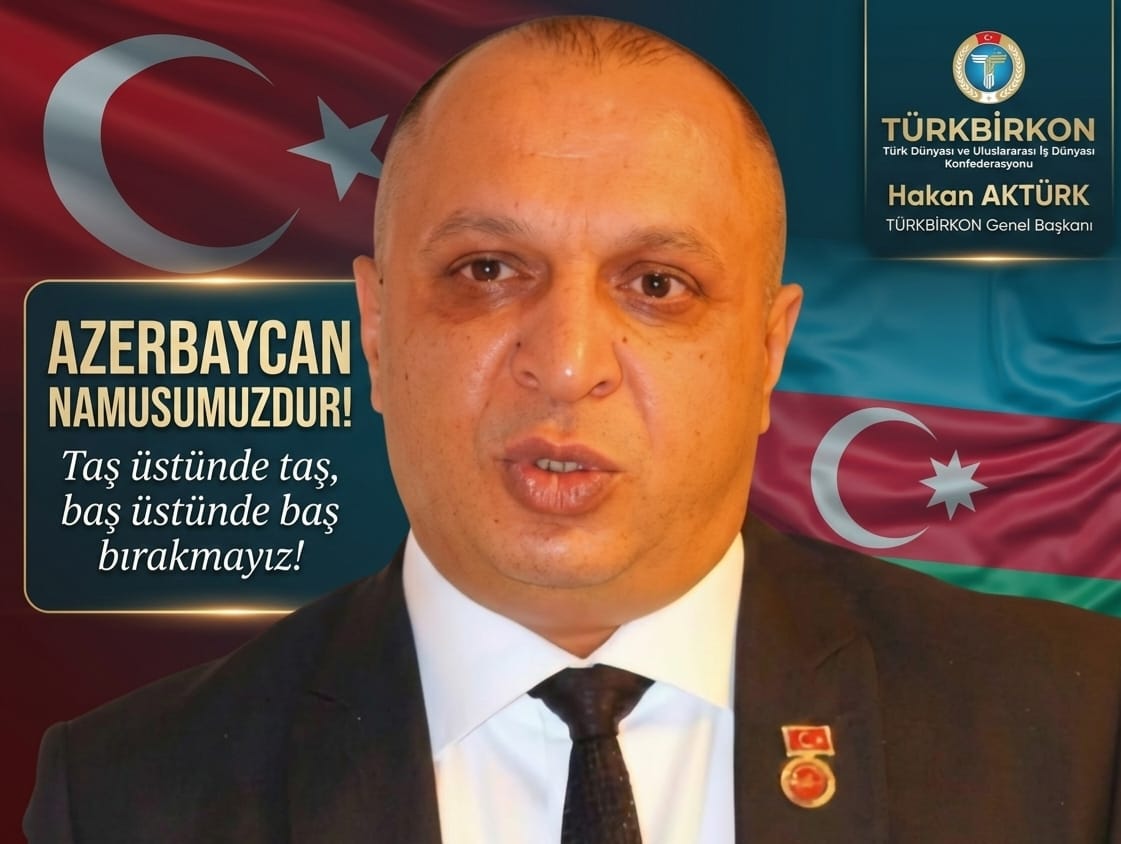
AKTÜRK’TEN SERT UYARI: “AZERBAYCAN BİZİM NAMUSUMUZDUR, TAŞ ÜSTÜNDE TAŞ BIRAKMAYIZ!”
210 kez okundu
3
AKTÜRK’TEN SERT UYARI: “AZERBAYCAN BİZİM NAMUSUMUZDUR, TAŞ ÜSTÜNDE TAŞ BIRAKMAYIZ!”
210 kez okundu
 4
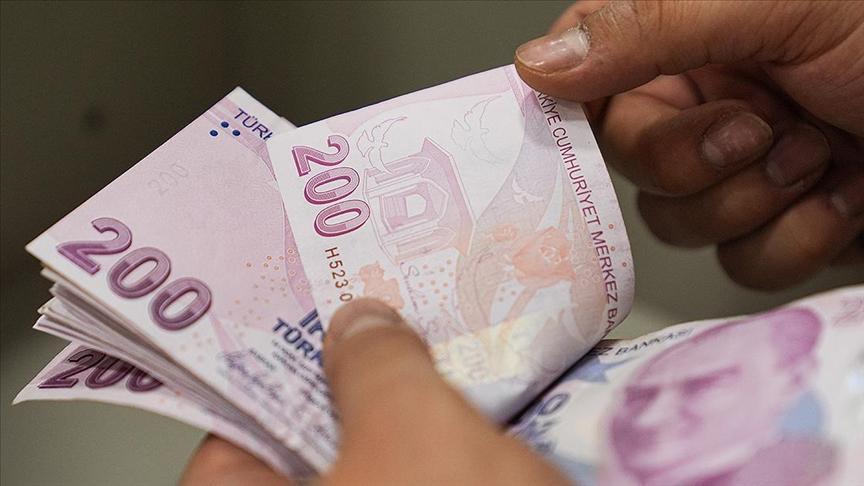
Emeklilere banka promosyonu müjdesi! İşte temmuz için konuşulan rakam
194 kez okundu
4
Emeklilere banka promosyonu müjdesi! İşte temmuz için konuşulan rakam
194 kez okundu
 5
TÜRKBİRKON GENEL BAŞKANI AKTÜRK ÜNLÜ MODACI BAYRAMOVA’LA TÜRK DEVLETLERİ KAPISINDAN GEÇTİ
179 kez okundu
5
TÜRKBİRKON GENEL BAŞKANI AKTÜRK ÜNLÜ MODACI BAYRAMOVA’LA TÜRK DEVLETLERİ KAPISINDAN GEÇTİ
179 kez okundu